
How to use hints in the Strands Word Game
Strands Game can look simple when you first open the puzzle. You can see a grid of full of letters and a clue that points toward the day’s theme. But once you start playing, finding the right words is not always easy. Sometimes you can find two or three words quickly and then get completely stuck. This is where hints can help. A hint is not to solve the whole puzzle for you. but It gives you a little help so you can get moving again. If you use hints at the right time, you can still enjoy the challenge of finding the answers yourself.
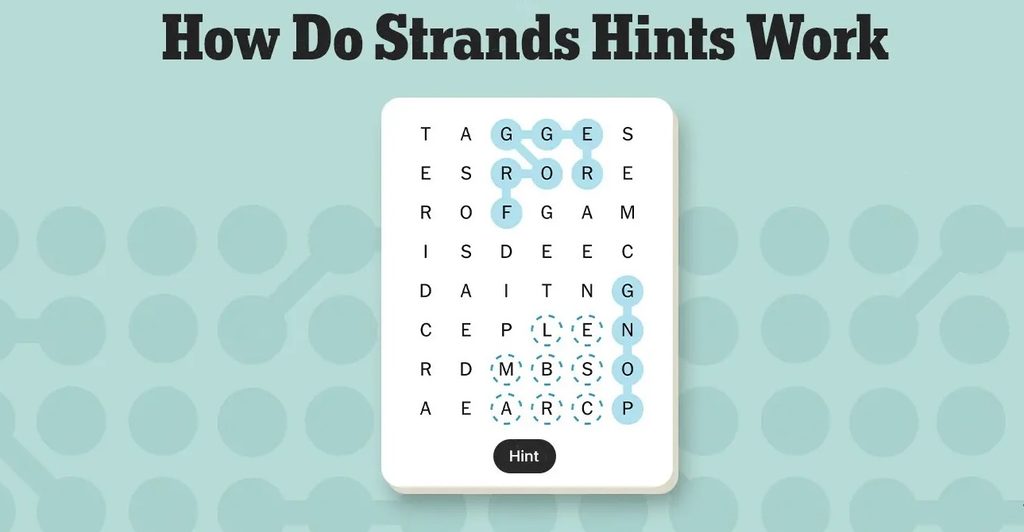
In this guide, we will explain how the hints system works and when we use them.
What Is a Hint in Strands Puzzle?
A hint gives you extra help when you are having trouble finding a theme word. The main goal of Strands game is to find words connected to the puzzle’s theme. At the start, you may not fully understand what the clue means. Finding your first theme word can make things much easier because it gives you a better idea of what the puzzle is about. Hints are especially useful at this stage. Instead of showing you every answer, a hint gives you the right direction. You still need to look at the grid and work out the word. That means using a hint doesn’t take away all the fun of solving the puzzle.
How Do You Earn a Hint?
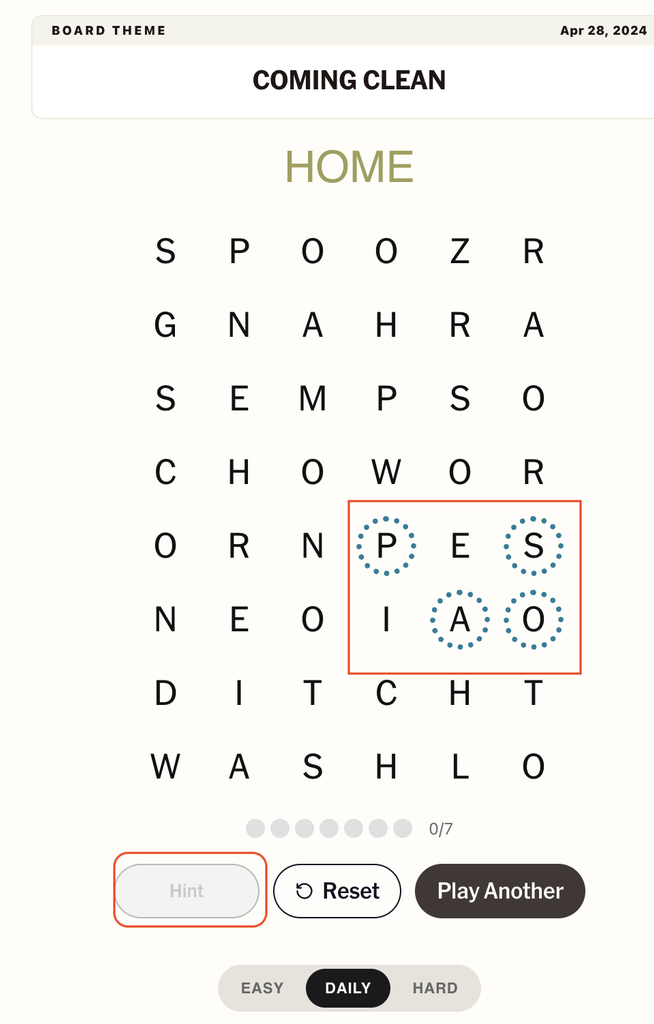
One interesting part of Strands word game is that finding other valid words can still be useful. While searching the grid, you may discover words that are real but are not part of the puzzle’s theme. These words do not solve the puzzle, but they can help you earn a hint. After finding enough non-theme words, a hint becomes available. This is useful because your unsuccessful guesses are not always wasted. You may be looking for a theme word and accidentally find several normal words along the way. Those discoveries can eventually give you some extra help. So if you are stuck, then try exploring the letters rather than giving up.
When Should You Use a Hint?
There is not perfect time to use a hint. Some people like to finish the entire puzzle without any help. Because in this game there is no time limit. Others prefer using a hint when they have been stuck for a few minutes. Both approaches are fine. However, there are a few situations where a hint can be particularly helpful.
1. When You Can’t Find the First Theme Word
The beginning can sometimes be the hardest part of the puzzle.You have a clue, but you do not know exactly what kind of words you are looking for. A hint can help you find that first important word. Once you understand one answer, you may suddenly realize what the clue means. You can easily start finding other words.
2. When You Have Several Words Left
Sometimes you understand the theme but still can not see the remaining words. Instead of searching the same part of the grid again and again, using a hint may show you an area that you have overlooked.
3. When You Have Been Stuck for Too Long
When you are stuck, A puzzle should be challenging, but it should also be enjoyable. If you have been looking at the same letters for a long time and aren’t making any progress, there is nothing wrong with using some help. A small hint can be enough when you stuck.
Don’t Use Every Hint Immediately
If hint is available doesn’t mean you have to use it immediately. Before using one, take another look at the theme clue. Ask yourself a few questions:
- What could the clue mean?
- Do the words I’ve already found have something in common?
- Is there another way to understand the theme?
- Are there any parts of the grid I haven’t checked carefully?
- Sometimes thinking about these questions for another minute is enough to spot the next word.
If you are still stuck, then use the hint. Then the hint gives you relax your mind.
Use the Words You Already Found
One of the best ways to solve a difficult Strands puzzle is to use your existing answers as clues. Suppose you have already found three theme words. Instead of going back to randomly connecting letters, look at those three words and ask what connects them. They may all be types of the same thing. They may belong to the same place, activity, category, or idea. Once you understand that connection, you have a much better idea of what word to search for next. This is often more useful than simply scanning the entire board for random words.
What If the Hint Still Doesn’t Help?
Don’t worry if a hint does not immediately make the answer. Study the highlighted area carefully and look at nearby letters. Try starting from different letters and following different paths. Sometimes the word becomes easier to recognize when you stop thinking about individual letters and start thinking about possible words that match the theme. You can also leave that section for a moment and work somewhere else on the grid. Coming back with fresh eyes can make a surprising difference.
Hints Can Help You Learn the Game
If you are new to Strands Puzzle Game, you may need more hints at first. That’s normal. As you play more puzzles, you start learning how themes are presented and how words can move through the grid. You also get better at noticing letter combinations that you may have ignored before. Over time, you may find that you need fewer hints. The important thing is to understand why you were stuck. When a hint helps you discover a word, look at its path through the grid. This can help you recognize similar patterns in future puzzles.
Should You Feel Bad About Using Hints?
No. Strands is a puzzle game, not an exam. Some days you might solve the puzzle without any help. On another day, the theme may be difficult for you and you may need a hint. The important part is enjoying the solving process. If you want an extra challenge and want to use mind, try waiting longer before using hints. If you simply want a relaxing puzzle, use them whenever you need them. You can choose the way you enjoy playing most.
A Simple Strategy for Using Hints
If you want to avoid depending too much on hints, try this approach.
- First, read the theme clue carefully and spend some time searching the grid yourself.
- Next, find any words you can and think about how they might connect to the theme.
- If you are stuck, search for other valid words. Even if they aren’t theme answers, they may help you work toward a hint.
- When a hint becomes available, don’t use it immediately. Give yourself one more careful look at the puzzle.
- If you’re still not making progress, use the hint and study what it shows you.
- Then try to solve the next part yourself.
- This gives you some help without taking away the challenge.
Final Thoughts
Hints are helpful when a Strands puzzle becomes difficult. They can be especially useful when you don’t understand the theme, can’t find your first theme word, or have only a few answers left. But you don’t need to use every hint as soon as it becomes available. Try solving what you can first. Pay attention to the theme, study the words you have already found, and look at different areas of the grid. If you are still stuck, use a hint to point yourself in the right direction. There is no single correct way to enjoy Strands game. Some players love solving without any help, while others use hints regularly. What matters is finding a way to play that keeps the puzzle challenging and fun.