
What are the rules of Strands NYT Game?
The New York Times’ word search game Strands is still in beta and has just released its 10th puzzle. The first few puzzles were easy, with some players finding the hints too revealing and the game not very challenging. But now, things are changing, and it’s getting harder. Some players are getting frustrated.
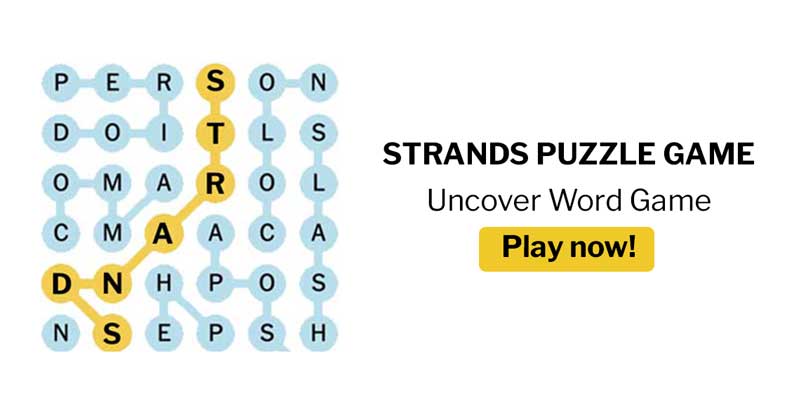
Following these rules will help you play Strands and solve the puzzles successfully.
The Strands is a creative word puzzle that challenges players to uncover hidden theme-based words inside a grid of letters. It is part of the puzzle collection from The New York Times and has quickly become popular among fans of daily word games.
At first glance, Strands may look like a traditional word search, but the rules and mechanics make it more strategic and engaging. Instead of simply finding random words, players must discover words connected to a specific theme and identify a special word known as the spangram.
Here is a simple explanation of the main rules of the Strands NYT Game.
Grid and Hidden Words
Every Strands puzzle begins with a 6×8 grid of letters, which means there are 48 letters displayed on the board. These letters hide several words related to the puzzle’s theme.
Your task is to search the grid and find the words that match the theme given in the puzzle clue. Unlike many word search games, Strands does not provide a list of words you need to find. Instead, you must figure them out by understanding the theme.
For example, if the theme is related to sports, the hidden words might include names of sports or equipment.
Word Formation Rules
To form a word in Strands, you must connect letters that are next to each other in the grid. Letters can connect in several ways:
- Vertically
- Horizontally
- Diagonally
One of the unique features of the game is that a word can change direction while being formed. This means the path of a word might twist or zigzag across the board.
However, each letter can only be used once per word, so you cannot reuse the same letter tile within a single word.
The Special Spangram
Along with finding the theme words, every puzzle contains a special word called the spangram.
The spangram is important because it describes the overall theme of the puzzle. It also follows a special rule: the word must touch two opposite sides of the grid.
Once you find the spangram, it often becomes easier to identify the remaining theme words because it reveals the main idea behind the puzzle.
Completing the Puzzle
To complete a Strands puzzle, you must find all the theme-related words and the spangram hidden in the grid. The number of words varies depending on the puzzle.
One helpful feature of the game is that mistakes are not punished. If you form a word that is not part of the theme, the game simply ignores it. In some cases, finding valid dictionary words that are unrelated to the theme can even help you earn hints.
These hints highlight letters from one of the hidden theme words, helping you continue solving the puzzle.
Focus on the Theme
The biggest difference between Strands and a traditional word search is that the game focuses on theme-based discovery. Instead of finding random words, players must think about how words connect to the given topic.
This makes the puzzle more challenging but also more satisfying when everything finally fits together.
Final Thoughts
The rules of the Strands NYT Game are simple to learn, but mastering the puzzle takes practice. By understanding how the grid works, following word formation rules, and focusing on the theme, players can gradually improve their skills.
Once you discover the spangram and connect all the theme words, you’ll experience the rewarding moment that makes Strands such an addictive and enjoyable word puzzle.